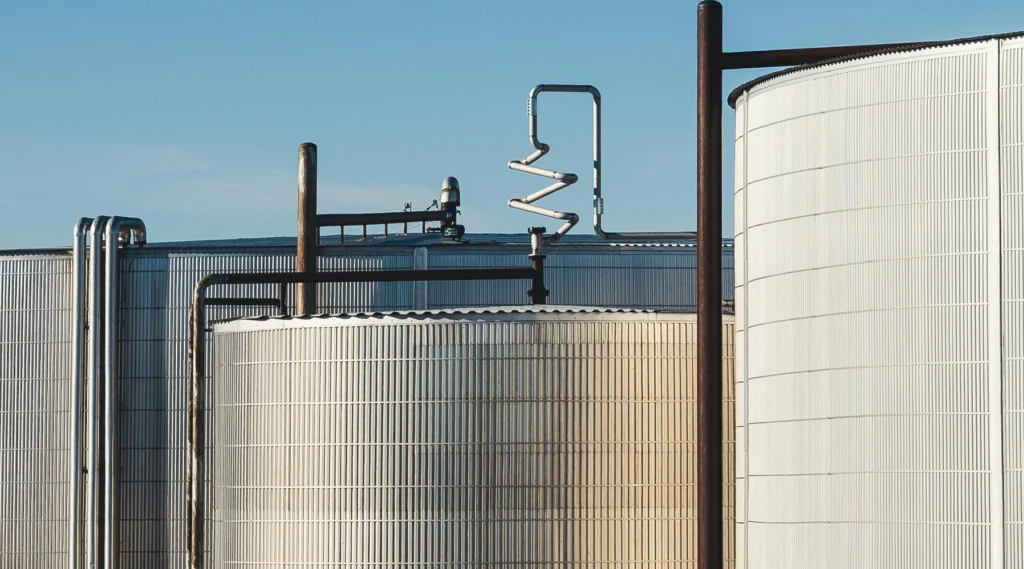
Every industry depends on water storage in one way or another. From the massive tanks keeping mine sites operational, to the potable water reserves that safeguard hospitals and schools, tanks are the silent backbone of commercial, industrial, and public facilities. Yet across sectors, we see the same critical mistakes repeated time and time again. These errors shorten the life of tanks, compromise water quality, and create unnecessary risks to safety, compliance, and budgets.
This article uncovers the most common tank maintenance mistakes across different industries and more importantly, how to avoid them.
Mistake #1: Treating Tanks as “Fit and Forget” Assets
Too often, organisations view tanks as once-off investments. Install them, fill them, forget about them. The reality? Tanks are not static assets, they’re living parts of infrastructure that interact constantly with water, air, and external environments.
Without proactive care, tanks inevitably degrade:
Corrosion slowly eats away at unprotected steel.
Sediment builds up, reducing usable capacity.
UV exposure weakens plastic and fibreglass.
Seals and joints deteriorate, causing hidden leaks.
Why it’s a problem: When tanks are neglected for years, failures seem to come “out of nowhere.” In truth, the warning signs were there all along, they were just ignored.
The fix: Build tanks into your regular maintenance cycle. Treat them with the same seriousness as pumps, generators, or other mission-critical assets.
Mistake #2: Skipping Scheduled Inspections and Record-Keeping
Standards like AS 1851 (for fire protection systems) require routine inspection and service logs. Yet across hospitals, schools, councils, and commercial buildings, inspection schedules are routinely skipped and when regulators request proof, the paperwork is missing.
Why it’s a problem:
Even when tanks are checked, the absence of accurate records is enough to count as non-compliance.
The fix: Establish a compliance calendar. Use digital platforms to log inspections and store them securely. Make sure every monthly, annual, and five-year service is properly documented.
Mistake #3: Ignoring Sector-Specific Risks
Every sector faces unique environmental and operational stresses. But too often, a one-size-fits-all maintenance approach is applied.
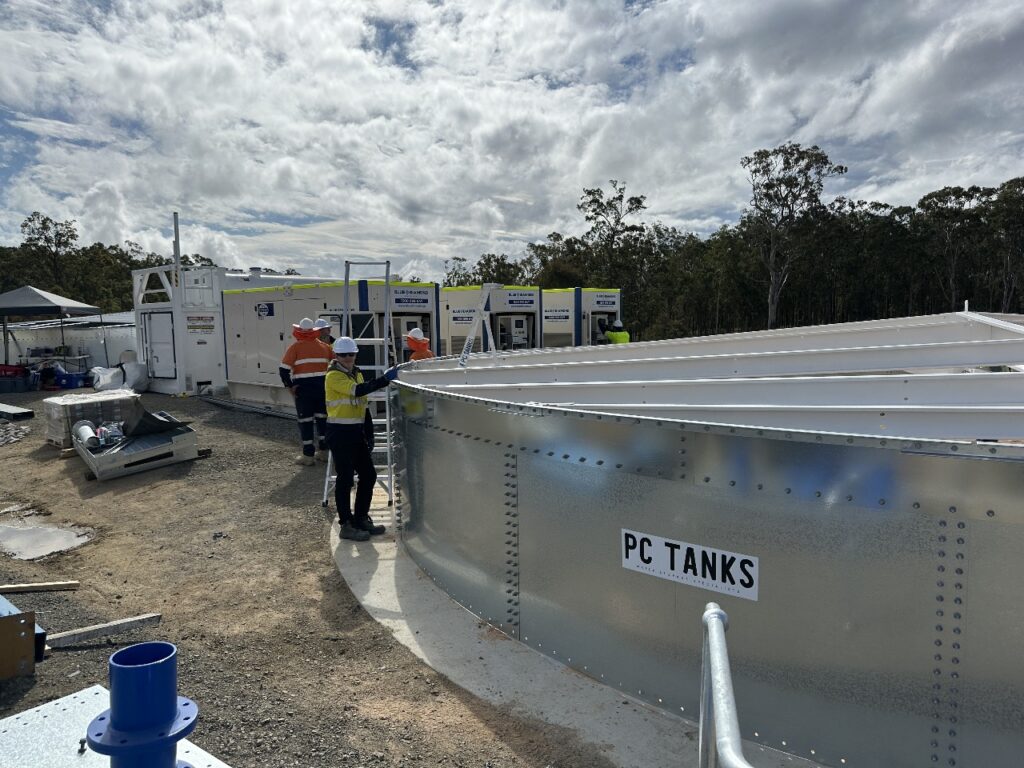
Mining: Harsh chemical exposure, abrasive dust, and remote conditions accelerate tank degradation. Corrosion and liner breakdown are rampant. Emergency access for inspection is often neglected.
Hospitals: Water quality is mission-critical. Yet we often find biofilm, sediment, and bacterial risks overlooked in supposedly “clean” systems.
Agriculture: Seasonal water level fluctuations and high UV exposure cause rapid wear in plastic and fibreglass tanks.
Public facilities (councils, schools, etc.): Budget constraints lead to patchwork repairs or “band-aid” fixes rather than long-term preventive solutions.
Why it’s a problem: Tanks fail differently in different environments. If sector-specific risks aren’t addressed, maintenance strategies will always fall short.
The fix: Work with providers who understand your industry’s unique needs. Mining tanks aren’t hospital tanks and neither should be maintained like one.
Mistake #4: Using the Wrong Materials or Repairs
We often see “quick fixes” that do more harm than good:
Patch welding thin tank walls, which introduces new weak points.
Applying generic paints or coatings that aren’t certified for potable water or fire systems.
Using hardware not designed for long-term corrosion resistance.
Why it’s a problem: These shortcuts compromise structural integrity and contaminate water supplies. What looks cheaper today often costs far more when full replacement becomes inevitable.
The fix: Always use certified, sector-appropriate materials. For example:
Hospitals and schools: potable-rated coatings and linings.
Mining and industry: corrosion-resistant RPVC liners and specialised coatings.
Fire protection systems: AS 2304-compliant tank components.
Mistake #5: Reactive Instead of Preventive Maintenance
Perhaps the biggest mistake of all is waiting until a problem becomes visible, or catastrophic before taking action.
Examples:
Leaks only noticed when puddles form around the base.
Structural failures discovered when water pressure drops.
Contamination detected after a water quality complaint.
Why it’s a problem: By the time issues become obvious, they are often too advanced for simple fixes. Emergency callouts, unplanned shutdowns, and full tank replacements are the cost of reactive maintenance.
The fix: Adopt a preventive maintenance culture. Regular inspections, relining, and condition monitoring extend service life, reduce costs, and avoid disruptive surprises.
What Every Sector Can Do Differently
The good news? Avoiding these mistakes isn’t complicated. Here’s what every facility manager, operator, and maintenance team should focus on:
Schedule routine inspections. Stick to monthly, annual, and five-year checks depending on your system and regulatory obligations.
Document everything. Digital logbooks prevent compliance failures caused by missing records.
Clean and reline regularly. Sediment removal and liner upgrades extend the life of every tank.
Tailor your strategy to your sector. Hospitals need water quality testing; mines need corrosion resistance; agriculture needs UV protection.
Plan ahead. Budget for proactive maintenance and upgrades rather than scrambling to fund emergency replacements.
From mines to hospitals, one truth applies across all sectors: water tanks are not “set and forget” assets. They are critical infrastructure, and neglecting them leads to failures that are expensive, disruptive, and sometimes dangerous.
The most common mistakes, ignoring inspections, poor record-keeping, wrong materials, and reactive maintenance, are entirely preventable. By recognising sector-specific risks and adopting a proactive strategy, facilities can extend the life of their tanks, safeguard water quality, and remain compliant with standards.
At Pacific Water Tanks, we work across industries to deliver solutions that last, whether through RPVC relining, AS-certified fire tank upgrades, or long-term maintenance partnerships. If you want to avoid the mistakes others keep repeating, now is the time to act.
Protect your tanks. Protect your operations. Protect your people.