- 1300 029 804
- info@pctanks.com.au
- Monday - Sunday | 8:30 AM - 5:00 PM


Corrosion is Killing Your Storage Tanks and Here’s How to Stop It
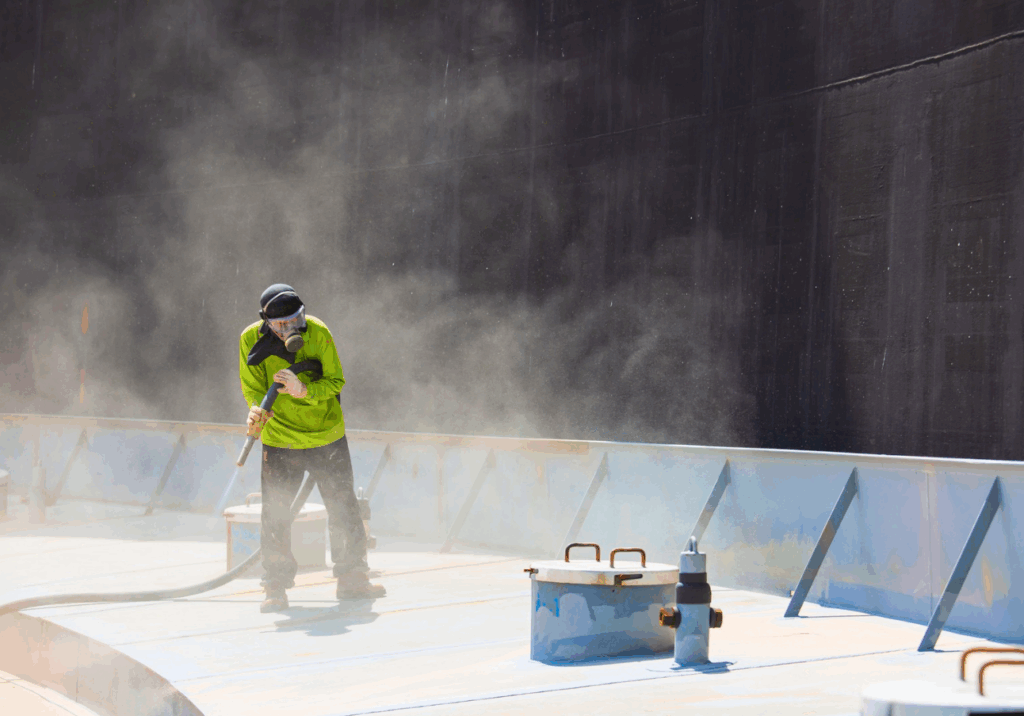
Corrosion is one of the most destructive yet preventable threats to water storage tanks. Whether you manage tanks in mining, industrial, health, or public sector environments, corrosion can lead to leaks, contamination, shutdowns, and hefty replacement costs.
The good news? You can stop it in its tracks. Here’s a simple breakdown of why corrosion happens, how to spot it early, and what you can do to extend the life of your assets without overspending.
Why corrosion happens in tanks
Corrosion is a natural process that occurs when steel or metal surfaces react with oxygen, water, or contaminants like chlorides. In tanks, this can occur externally (due to humidity, rain, or soil) or internally (due to the contents of the tank).
- Water quality: Poor pH balance, chlorination, or sediment build-up can speed up corrosion.
- Chemical exposure: Petrochemical or wastewater storage can be especially corrosive.
- Microbiological activity: Bacteria can trigger Microbiologically Influenced Corrosion (MIC), especially in urban or industrial water systems.
- Age and lack of maintenance: Older tanks without protective coatings or liners degrade faster.
Common signs of corrosion
Corrosion isn’t always obvious, especially in large or sealed tanks, and often goes unnoticed until costly damage is already done. But if you know what to look for, you can catch it early and take action before small issues become major failures.
Rust stains or discoloured water
Rust streaks running down the exterior walls, around fittings, or near overflow outlets are strong indicators of surface corrosion. Inside the tank, if your stored water looks brown, reddish or cloudy, there’s a good chance that internal steel components are starting to break down.
This is particularly concerning for potable water tanks or fire tanks, where water clarity is critical.
Surface pitting or bubbling under paint
Blisters, bubbles, or flaky paint aren’t just cosmetic; they’re often caused by corrosion forming underneath coatings. This type of localised degradation is known as pitting corrosion, and it’s especially dangerous because it penetrates deeply into small, hard-to-spot areas.
If left untreated, these pits can turn into pinhole leaks or weaken the structural integrity of the tank wall.
Unexplained drop in water volume
If your tank seems to be losing water without a visible leak or change in usage, internal corrosion could be to blame. Even minor corrosion can cause perforations or hairline cracks that allow water to escape slowly over time.
In some industrial sites, unnoticed corrosion has led to months of water loss before being detected, costing both money and operational stability.
Leaks or dampness around the base
Moisture collecting around the base of the tank, especially near seams or fittings, often signals a breach. Corrosion commonly starts at connection points or where the tank meets the foundation slab areas prone to condensation, sediment accumulation, and pressure stress.
Regular inspections of these critical zones can reveal early signs of failure.
Tank wall thinning on inspection reports
Professional tank inspections like those using ROV/UAV drones or ultrasonic gauges, which Pacific Water Tanks offers, often measure wall thickness. If reports show that your tank’s steel walls are thinner than original specifications, corrosion is actively removing material.
Significant thinning reduces the tank’s pressure capacity and increases the risk of collapse, particularly in fire or high-volume applications.
TIP: Pair visual checks with professional inspections annually (or more often in harsh environments), especially for fire tanks under AS1851-2012 compliance requirements. Preventative monitoring is your most powerful tool.
How to stop corrosion (the practical way)
You don’t need to overhaul your whole system. Prevention starts with small but strategic moves.
1. Use corrosion-resistant linings and coatings
Installing RPVC liners or modular GRP tanks can shield the interior from chemical damage and extend lifespan significantly. Coatings such as epoxy or polyurethane provide a durable barrier between metal and its environment.
2. Conduct regular inspections and maintenance
Pacific Water Tanks uses advanced ROV/UAV underwater drones and diving inspection teams to detect surface leaks, corrosion, and structural threats early.
This allows for early repair and avoids disruptive breakdowns. Annual inspections under AS1851-2012 are especially important for fire tanks.
3. Retrofit ageing tanks
Older assets can often be refurbished rather than replaced. Pacific Water Tanks specialises in:
Installing structural support plates on corroded walls
Applying new corrosion-resistant coatings
Adding RPVC liners to extend service life
Upgrading access points (like AS2304-compliant hatches)
4. Choose the right material
If you’re building or replacing a tank, opt for corrosion-resistant options like:
Stainless steel modular tanks
Glass Reinforced Plastic (GRP) tanks for potable and hazardous liquids
Fire-rated tanks for rural, industrial, or urban use
Case Study
In one project for the Northern Peninsula Area Regional Council, PC Tanks installed RPVC liners across six town reservoirs, extending their life without full rebuilds. Similar refurbishments were done at health facilities and mine sites for clients like Rio Tinto, BHP and VeoliaPC Tanks – Capability S….
These solutions are faster, more cost-effective, and more environmentally friendly than tank replacement.
Why Pacific Water Tanks can help
With over 20 years’ experience, Pacific Water Tanks (trading under PC Tanks) delivers tailored corrosion mitigation solutions across Australia and the Pacific region.
Here’s what sets them apart:
- Licensed to conduct fire tank inspections under AS1851-2012
- Full-service offering: inspection, design, refurbishment, and compliance
- Local design and manufacturing using stainless steel and GRP systems
- Advanced diagnostic tools (ROV/UAV) and structural assessment capabilities
Proven results across mining, industrial, commercial, and health sectors.
They don’t just fix tanks, they future-proof them.
How to Prevent Corrosion
Step
Inspect regularly
Install tank liners
Use protective coatings
Retrofit ageing tanks
Choose durable materials
Schedule maintenance
Action
Use drones or divers for internal checks
RPVC or GRP for chemical and water tanks
Epoxy or polyurethane over steel
Apply structural supports, new hatches
Stainless steel or modular GRP systems
Follow AS1851-2012 where applicable
Do you want to stop corrosion before it costs you thousands?
Get in touch for a free, no-obligation consultation with Pacific Water Tanks. Our team will assess your site, advise on the best protection strategy, and create a tailored solution for your asset.
Contact Us Today and future-proof your water storage system.
FAQ
What causes corrosion inside tanks?
Moisture, oxygen, and chemicals such as chlorine can corrode tank interiors. Bacteria and sediments accelerate this process, especially in untreated or ageing tanks.
Can I repair a corroded tank, or do I need to replace it?
In most cases, tanks can be repaired or refurbished with new linings, coatings, or structural upgrades. Pacific Water Tanks offers custom solutions to extend service life by 10+ years.
What industries do you support?
Pacific Water Tanks works with mining, government, commercial, healthcare, and infrastructure clients from remote water storage to inner-city hospitals.
How often should my tank be inspected?
At a minimum, tanks should be inspected annually. Fire storage tanks should be inspected according to AS1851-2012 standards
What’s the best tank material for corrosion-prone environments?
Stainless steel and GRP tanks offer high corrosion resistance. Internal linings such as RPVC also offer cost-effective retrofitting for existing steel tanks.
/ Blogs
Building Better Tanks Through Knowledge

Why Your Fire Tank Might Fail Compliance and How to Fix It Fast
Kristine
August 29, 2025
Read More »


Pioneering a New Era of Water Storage Engineering
Pioneering a New Era of Water Storage Engineering
PO Box 961 Mudgeeraba, QLD 4213
info@pctanks.com.au
1300 029 804
Menu
Services
Custom Design & Engineering
Full In-House Installation
Foundation & Civic Integration
Fire Water Tank Specialists
Remote Area Project Delivery
Global Supply Chain Solutions
Tank Maintenance & Upgrades
Future-Ready Infrastructure Advice
Tender and Procurement Support
Partnerships with Builders & Contractors