- 1300 029 804
- info@pctanks.com.au
- Monday - Sunday | 8:30 AM - 5:00 PM

Is Your Water Tank a Ticking Time Bomb? 5 Signs Your Tank Is Failing (and What It Could Cost You)
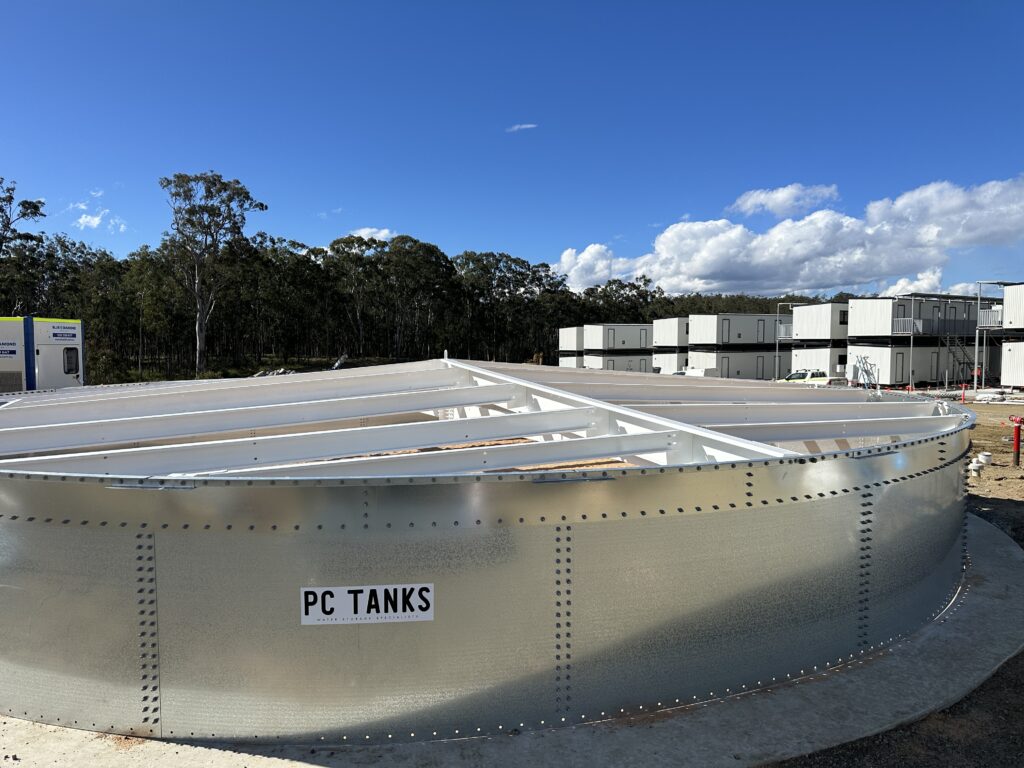
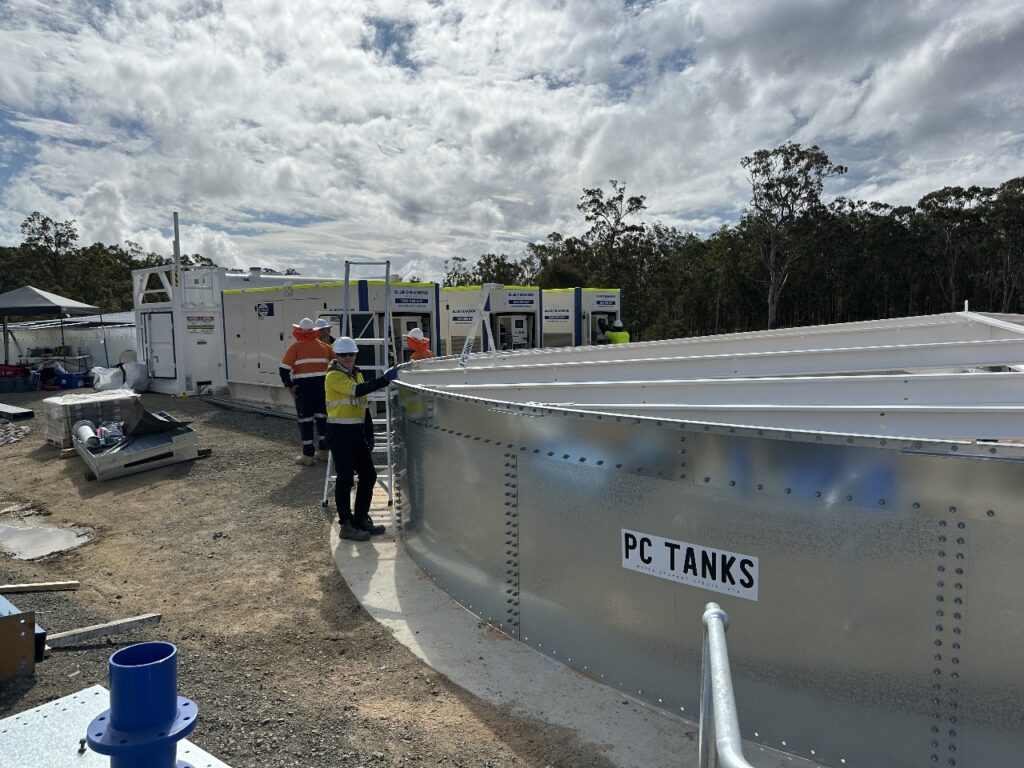
Water tanks are the unsung heroes of countless industries, homes, and facilities. They quietly do their job, day in and day out, ensuring water is stored and ready whenever it’s needed. From agricultural irrigation to mining operations, from hospitals to manufacturing plants, reliable water storage is the backbone of daily operations.
But what happens when that backbone starts to crack? Too often, tanks are forgotten until it’s too late and by then, the damage is already expensive, disruptive, and in some cases, dangerous. The truth is, a neglected water tank can quickly become a ticking time bomb. What seems like a small issue rust patches, cloudy water, or pressure fluctuations could be early warning signs of catastrophic failure.
In this article, we’ll uncover five signs that your water tank may be failing and break down exactly what ignoring them could cost you. Whether you manage industrial infrastructure, oversee facilities, or rely on a single residential tank, this guide will help you spot trouble before it spirals out of control.
Sign #1: Visible Corrosion or Rust
Why it matters: Corrosion is one of the most common killers of water tanks. When steel or metal tanks are exposed to oxygen and moisture, the protective coatings eventually wear down. Once the metal underneath is exposed, rust begins to eat away at the tank’s structure.
Early signs include:
Rust streaks running down the tank wall.
Flaking or blistering paint.
Rough patches or discoloration around seams, joints, or bolts.
The hidden danger: Rust doesn’t just weaken the tank, it also compromises water quality. Corroded surfaces can leach metals into the water, creating contamination risks. Worse, unchecked corrosion can cause pinhole leaks that expand into structural failure.
What it could cost you:
Minor repairs (patching, re-coating) may cost hundreds to a few thousand dollars.
Severe corrosion often leads to full replacement, which can range from $10,000 to $100,000+, depending on tank size and complexity.
Downtime costs: if a hospital or factory loses water supply, the financial and reputational damage can dwarf replacement costs.
Sign #2: Unusual Odors or Cloudy Water
Why it matters: If your water smells strange or looks cloudy, your tank may be breeding bacteria, algae, or mold. This can happen when sediment builds up, sunlight exposure encourages growth, or cracks in the tank allow contaminants to seep in.
Common warning signs:
Musty or earthy odors.
Cloudy or discoloured water.
Slime or biofilm on the inside surfaces.
The hidden danger: Contaminated water poses serious health risks. For industries like food production or healthcare, contaminated supply could shut operations down entirely. For residential tanks, it creates direct risks to health and safety.
What it could cost you:
Professional cleaning and disinfection: $500–$2,500.
Waterborne illness risks, legal liabilities, and regulatory fines for non-compliance.
Emergency downtime in industries where water purity is critical.
Sign #3: Leakage or Damp Patches Around the Tank
Why it matters: Leaks are the most obvious red flag, but surprisingly, they’re often ignored until they become severe. Water pooling around the base, damp soil, or mold growth nearby are all signs that your tank is losing integrity.
Early signs:
Puddles near the base of the tank.
Damp stains on nearby walls or foundations.
A slow but unexplained drop in water levels.
The hidden danger: A small leak rarely stays small. Pressure inside the tank can quickly turn a pinhole into a rupture. If the tank wall collapses, thousands of litres of water could be released in minutes, destroying property and equipment.
What it could cost you:
Emergency cleanup and repairs can run into the tens of thousands.
Foundation damage to surrounding infrastructure can add to costs.
Liability if leaked water damages neighbouring property or equipment.
Sign #4: Inconsistent Water Pressure or Flow
Why it matters: Have you noticed fluctuating water pressure? Pumps working overtime? These issues often trace back to internal damage or buildup inside your tank.
Possible causes:
Sediment clogging pipes or outlets.
Structural weaknesses reducing flow capacity.
Pressure valves malfunctioning due to age or corrosion.
The hidden danger: Inconsistent water flow isn’t just inconvenient, it can cripple industries where precise water delivery is essential. For fire suppression systems, it could mean disaster during an emergency.
What it could cost you:
Pump damage or replacement: $2,000–$15,000.
Process delays, production halts, or compromised emergency systems.
Long-term higher energy bills from overworked pumps.
Sign #5: Age or Degradation of Tank Materials
Why it matters: Every tank has a lifespan. Even with the best maintenance, materials degrade over time. Steel corrodes, plastic weakens under UV exposure, and liners wear out. If your tank is nearing the end of its expected life cycle, it’s time to prepare for replacement.
General lifespans:
Steel tanks: 20–30 years with proper maintenance.
Plastic tanks: 10–20 years, depending on exposure.
Tanks with RPVC liners: up to 40+ years if maintained correctly.
The hidden danger: Just because a tank looks fine doesn’t mean it is. Aging tanks often fail suddenly and catastrophically, without much visible warning.
What it could cost you:
Emergency replacements can cost significantly more than planned upgrades.
Downtime, water shortages, and damage to trust if the failure impacts customers or stakeholders.
Insurance complications if the tank was well past its recommended lifespan.
What These Failures Could Actually Cost You
When a tank fails, the cost is rarely limited to repair or replacement. The ripple effects can be enormous:
Financial Costs: Repairs, emergency cleanups, water treatment, and equipment replacement can escalate fast.
Operational Costs: Downtime disrupts production schedules, delays projects, and halts services.
Health & Safety Risks: Contaminated water can harm employees, customers, or communities.
Reputation Damage: For hospitals, schools, or food industries, loss of trust can be devastating.
Ignoring early signs doesn’t save money, it magnifies costs later.
Solutions & Preventive Measures
So, how do you stop your water tank from becoming a ticking time bomb?
Regular Inspections: Schedule annual or bi-annual checks for corrosion, leaks, and structural integrity.
Professional Cleaning: Remove sediment and biofilm regularly to maintain water quality.
Protective Liners: Install or replace RPVC liners to extend tank lifespan and resist corrosion.
Upgrades & Retrofits: Don’t wait for a failure, plan for replacements or upgrades before end-of-life.
Monitoring Systems: Consider installing sensors for water quality, level, and pressure to catch issues early.
Your water tank isn’t just a container, it’s critical infrastructure. Whether you manage a mine site, hospital, or home supply, ignoring signs of tank failure could leave you with catastrophic costs.
Don’t wait until the ticking time bomb goes off. By keeping an eye out for corrosion, leaks, contamination, pressure issues, and age, you can take action before disaster strikes. And when in doubt, consult with experts who specialise in tank maintenance and upgrades.
At Pacific Water Tanks, we help extend the life of tanks with solutions like RPVC liners, corrosion protection, and professional inspections. If you suspect your tank is showing the warning signs, now is the time to act.
Protect your water. Protect your operations. Protect your future.
/ Blogs
Building Better Tanks Through Knowledge

Why Your Fire Tank Might Fail Compliance and How to Fix It Fast
Kristine
August 29, 2025
Read More »


Pioneering a New Era of Water Storage Engineering
Pioneering a New Era of Water Storage Engineering
PO Box 961 Mudgeeraba, QLD 4213
info@pctanks.com.au
1300 029 804
Menu
Services
Custom Design & Engineering
Full In-House Installation
Foundation & Civic Integration
Fire Water Tank Specialists
Remote Area Project Delivery
Global Supply Chain Solutions
Tank Maintenance & Upgrades
Future-Ready Infrastructure Advice
Tender and Procurement Support
Partnerships with Builders & Contractors